
Why the Middle East Conflict Threatens the Eurozone Economy
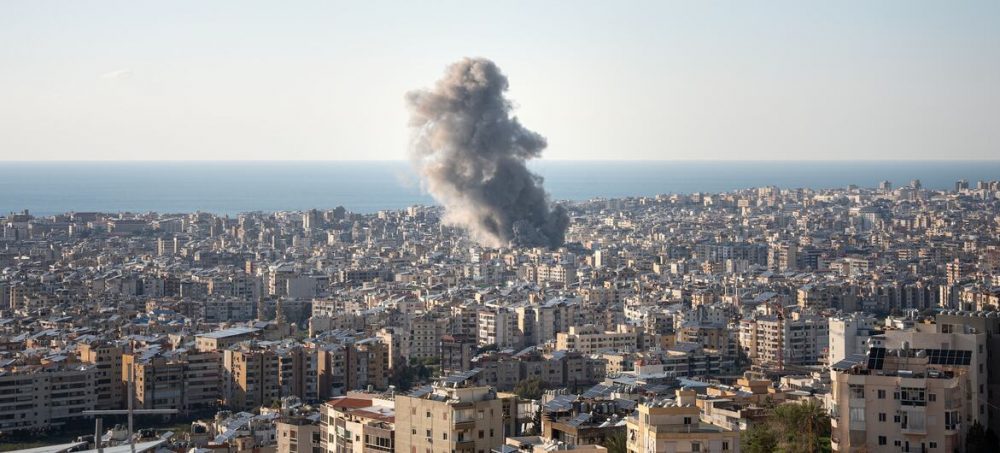
Economic stability in the Eurozone has become harder to maintain as conflict in the Middle East unsettles global markets. Energy prices surged soon after the first attacks struck areas close to key infrastructure. European policymakers are once again confronting the reality that geopolitical tensions far away can have immediate consequences at home.
Europe relies strongly on imported oil and natural gas to power its industries and homes. When instability threatens those supply regions, markets respond immediately. The resulting price increases spread throughout the economy. Businesses face rising operating costs, and households eventually see the effects in transportation expenses and everyday goods.
The conflict arrives at a delicate moment for the Eurozone. The region had just started to regain economic momentum after a long stretch of inflation and slow growth. That recovery now looks far less certain. Rising energy costs threaten to stall progress and create a new wave of financial strain.
Energy Prices are the First Shock
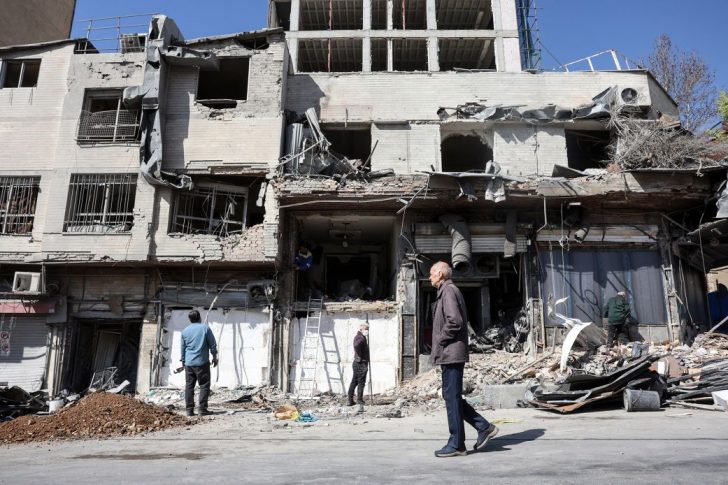
UN News / Oil prices climbed sharply while European natural gas prices surged following strikes near key facilities. The sudden jump reminded policymakers how exposed Europe remains to supply disruptions outside its borders.
This price spike spreads through the economy faster than many people expect. Higher fuel costs increase transport expenses, which then push up prices for goods and services. Manufacturers also face rising electricity and heating bills, which eat into profit margins and slow production.
Families feel the impact almost immediately. When energy bills climb, households suddenly have less money available for other purchases. If millions of families tighten their spending at the same time, consumer demand across the region weakens. That slowdown eventually shows up in retail sales, travel bookings, and hospitality activity.
This pattern explains why energy shocks often create wider economic trouble. The price spike may begin in commodity markets, but its effects quickly spread into nearly every industry. Europe has faced similar moments in the past, so policymakers are well aware of the potential fallout.
Inflation Could Rise Again
The European Central Bank had gradually succeeded in lowering inflation after the surge caused by earlier global disruptions. Higher interest rates and softer consumer demand helped cool prices in several sectors. The conflict in the Middle East now threatens to reverse some of that progress.
Energy costs influence nearly every part of the economy. Electricity powers factories, fuel moves goods across borders, and heating keeps offices and homes functioning. When those costs increase, businesses often respond by raising prices to protect their margins.
Economists estimate that a prolonged conflict could lift Eurozone inflation by roughly half a percentage point. On paper that may sound minor, but for policymakers who spent years fighting price growth, it represents a significant setback. A sudden energy surge could delay the return to stable inflation.
Growth Faces a New Threat
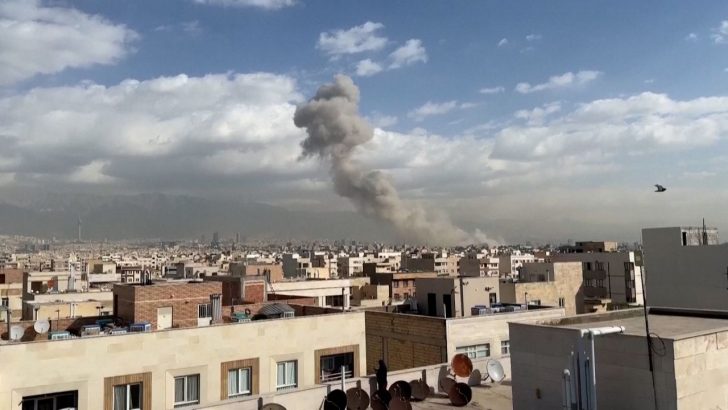
E News / Late-2025 growth figures suggested the Eurozone economy was slowly regaining momentum, but those gains now appear uncertain.
Energy price shocks often weaken economic activity by increasing costs for both businesses and consumers.
Factories tend to scale back production when energy becomes expensive. Industries such as chemicals, metals, and heavy manufacturing rely on large amounts of power. When those costs rise sharply, companies often reduce output or postpone investment plans, which slows overall growth.
Consumers react quickly as well. Rising electricity bills and higher fuel prices force many families to adjust their budgets. Spending on restaurants, travel, and entertainment is often the first to decline, which places pressure on the service sector.
Some analysts caution that a prolonged conflict could push the Eurozone closer to recession. Forecasts suggest economic growth could fall sharply if energy prices remain elevated for long. Certain projections indicate that growth in 2026 might end up about half a percentage point lower than earlier expectations.
However, the real threat appears through the broader economy. Banks rely on healthy businesses and employed households to repay loans. When economic activity weakens, financial stress eventually spreads into the banking system.
However, the real threat appears through the broader economy. Banks rely on healthy businesses and employed households to repay loans. When economic activity weakens, financial stress eventually spreads into the banking system.



You must be logged in to post a comment Login