
Robot Revolution Needs Human Help, Creates New Human Gig Economy
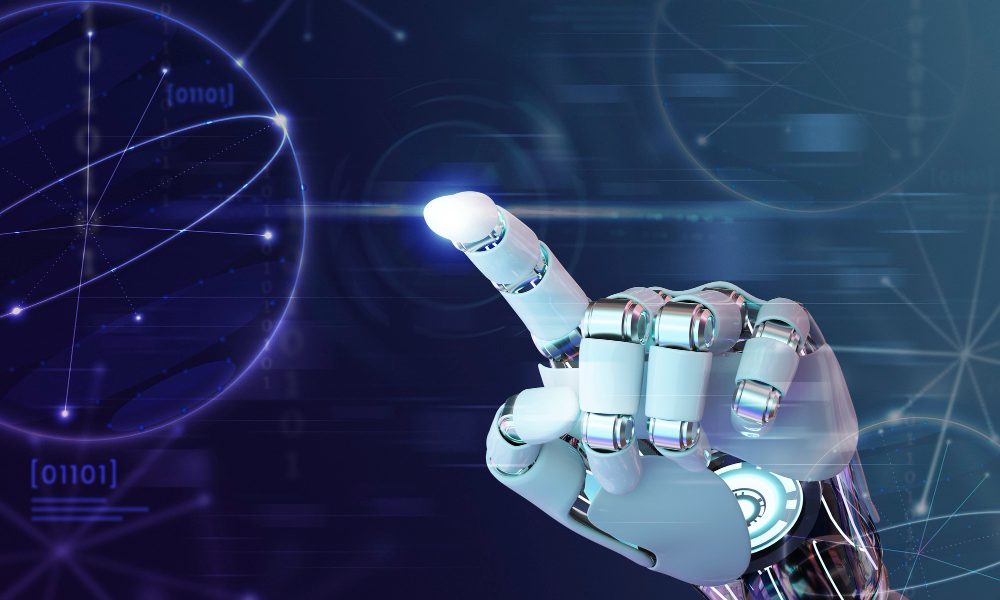
The idea that robots will replace people sounds dramatic, but it misses what is actually happening right now. Machines are not taking over on their own. They are asking for help, and humans are stepping in to fill that gap.
This shift has created a new kind of gig economy that feels strange at first glance. People are not just working with AI systems. They are working for them. In many cases, humans are being hired to teach machines how to function in the real world.
Training a robot is not as simple as feeding it information from the internet. Language models learn from text, but robots need to learn physical actions. That difference changes everything.
There is no massive library of real-world movements that machines can study. A robot cannot scroll through millions of videos and fully understand how to fold clothes or clean a kitchen. It needs structured, detailed, and consistent data collected from real people doing real tasks.
Experts call this gap the “100,000-year problem,” which highlights how far behind robotics is compared to digital AI. To close that gap, companies need an enormous amount of human-generated data. That demand has turned everyday actions into valuable training material.
You Can Get Paid to Be Human

Kindel / Pexels / People are now earning money by recording themselves doing routine tasks at home. Cooking dinner, washing dishes, or organizing a room has become a paid activity.
In this system, workers attach camera rigs to their bodies—on the head, wrists, and chest—to capture precise movement data. The footage is then used to help train robots in understanding how humans move, react, and coordinate actions. Platforms like rentahuman.ai are increasingly central to this type of work.
Earnings are closely tied to task complexity. Simple recording work tends to pay modest hourly wages, while more advanced or physically demanding tasks can be significantly better compensated. Some participants see it as a convenient side income, while others question its long-term fairness and stability.
A number of platforms now enable AI systems to directly assign physical tasks to human workers, reversing traditional workplace logic.
Instead of humans interacting with software, the software assigns tasks to humans. These tasks can range from errands and meetings to physical actions that AI cannot yet perform. Payments are often automated, with little human management involved.
This structure turns labor into an on-demand digital service. While efficient in design, it raises concerns about autonomy and control, blurring the line between employer and automated system.
A New Kind of Workforce Is Forming
This is not just another gig economy layer. It reflects a deeper change in how work is being defined. Today’s systems focus heavily on data collection, but that is only the starting point.
As robots enter real-world environments, they will depend on humans to keep them functional. That means roles built around supervision, repair, and troubleshooting — stepping in when machines fall short.
Over time, workplaces may become hybrid systems where humans and machines collaborate directly. Each would take on tasks suited to their capabilities, reshaping traditional job structures.
The Upside Comes With Real Concerns

Igovar / Pexels / Some workers feel they are helping build systems that might replace them later. That tension is hard to ignore.
There are also very real, practical challenges that come with everyday participation. Small technical problems—such as a fogged-up camera lens or a slight misalignment—can lead to rejected footage and lost earnings. Even short interruptions during a recording session can undo hours of effort, which makes consistency a constant struggle.
Earnings are uneven across the system as well. Some tasks pay fairly well, but others offer lower or inconsistent compensation depending on demand and complexity. This imbalance continues to raise questions about how the value of this kind of labor is actually measured and shared.




You must be logged in to post a comment Login